
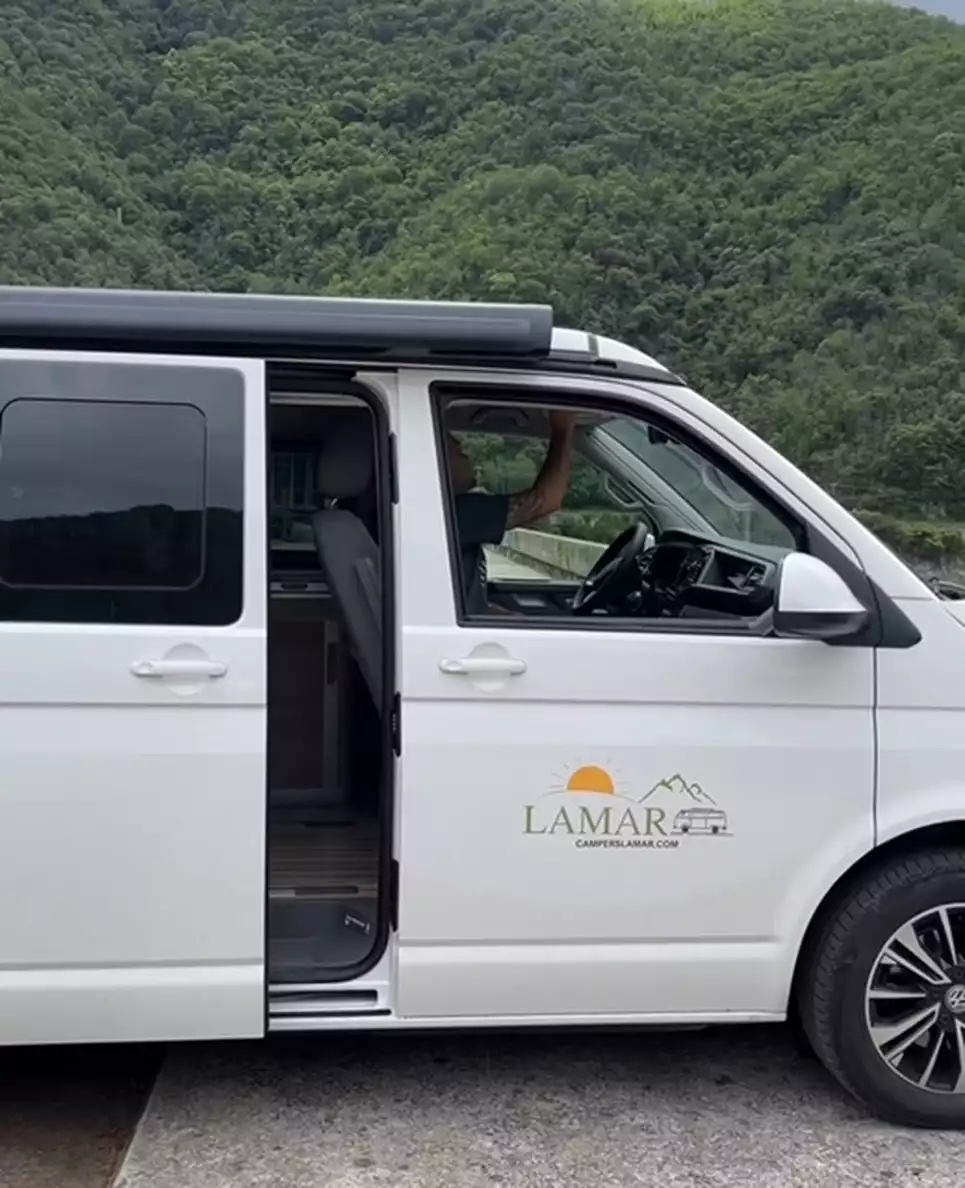
Travelling by motorhome is a unique way to explore new destinations with complete freedom and flexibility. If this is your first time hiring and driving a motorhome, it is understandable that you may have a few concerns or questions. However, with the right preparation, your experience will be more comfortable and enjoyable than you can imagine. In this article, we offer practical, detailed tips to make sure your first motorhome trip is a resounding success.
1. Choose the right motorhome
Choosing the right model is essential for your comfort and safety during the trip. There are various types of motorhomes and campervans, each designed for specific needs and profiles.
- Size and space: If you are travelling alone or as a couple, a campervan or a compact motorhome will be enough. These models are easier to handle, especially if you have no previous experience of driving large vehicles. On the other hand, if you are travelling with family or a group of friends, a larger motorhome will give you the space you need to move around comfortably and sleep properly.
- Handling and comfort: If you are not used to driving large vehicles, opt for a motorhome with good manoeuvrability and driver-friendly features, such as reversing cameras or parking sensors.
Before making your final decision, it is also important to check that the vehicle you choose is equipped with the essential amenities you need, such as a functional kitchen, a bathroom (if required) and enough storage space.
2. Get to know the vehicle
Once you have chosen and collected your motorhome, take the time you need to get to know how it works. Make sure the hire company gives you a detailed demonstration of how to operate the key systems: water, gas, electricity, heating and drainage. Make sure you understand the following:
- Water systems: Check how to fill the fresh water tank and how to empty the waste water tank. This is crucial not only for comfort but also for looking after the vehicle during your trip.
- Using the gas: Learn how to use the gas system for cooking and heating. If you are going to use the heating system, make sure you know how to adjust it to suit the weather.
- Appliances and power: Familiarise yourself with the electrical devices on board (such as the fridge, the electric hob and the lighting). Check how many hours of autonomy the vehicle's battery gives you and how to recharge it while you drive.
3. Plan your itinerary flexibly
Although it may be tempting to plan every detail of the trip, one of the great attractions of motorhome travel is flexibility. Even so, some advance planning is essential to make the most of your time and resources.
- Routes and stops: While a motorhome gives you the freedom to improvise, it is a good idea to set a basic itinerary to avoid surprises. Use specialist apps such as Park4Night or Campercontact to find service areas and authorised campsites. These apps also include reviews from other users, so you can make informed decisions about where to park or spend the night.
- Location of supplies and services: Bear in mind where you can find water refill points, grey and black water disposal points and petrol stations, especially if you are planning long journeys or heading into less accessible areas.
4. Manage your resources efficiently
Motorhomes have limited resources, so it is essential to learn how to manage them properly:
- Drinking water: Always carry enough water for your basic needs (cooking, washing and cleaning). Plan regular stops to refill with water at service areas or campsites.
- Gas: How long gas bottles last depends on how much you use them, but it is advisable to have a spare. Check whether you can exchange the bottle at service stations or at refill points specifically for motorhomes.
- Electricity: Motorhomes usually have a leisure battery that charges while you drive. However, high-consumption devices such as heating or air conditioning can drain the battery quickly. Consider limiting their use or looking for hook-up points at service areas.
5. Drive carefully and confidently
Driving a motorhome for the first time can be challenging because of its size and characteristics. Nevertheless, by following a few basic recommendations, you will feel safer and more comfortable behind the wheel.
- Adjust your speed: Motorhomes are large, heavy vehicles, so it is important to drive calmly and adapt your speed to the road conditions. Always respect speed limits and bear in mind that the vehicle's stability may be affected on wet roads or in strong winds.
- Parking and manoeuvring: Make sure you park in areas designated for motorhomes, such as service areas or campsites. Also, keep the vehicle's dimensions in mind when manoeuvring, especially in urban areas or tight car parks. Use the mirrors and reversing cameras to make manoeuvring easier.
- Practise before setting off: If you are not used to driving large vehicles, it is a good idea to practise in a quiet area or on a closed circuit before starting your trip. This will help you get used to the vehicle's dimensions and build confidence.
6. Use the facilities responsibly
One of the key aspects for ensuring the comfort and smooth running of your motorhome is using the vehicle's facilities properly, especially the water and drainage systems.
- Showers and toilets: Motorhomes usually have a toilet and shower, but bear in mind that the water and waste tanks have a limited capacity. If you are near campsites or service areas, make use of their facilities to avoid quickly using up the vehicle's resources, or to fill the water tank before you leave.
- Emptying waste water: Make sure you empty the grey and black water tanks at suitable places, such as service areas or campsites with motorhome facilities. Never empty this waste into the countryside or in unauthorised places.
7. Respect local regulations and sustainability
Travelling by motorhome involves greater environmental responsibility. Make sure you comply with local regulations on parking and camping. Every country or region has its own rules, and respecting them is essential to avoid fines and help preserve the environment.
- Parking and overnight stays: You are not allowed to camp just anywhere. Parking in unauthorised areas can lead to fines. Make sure you only sleep in areas designated for motorhomes and respect local restrictions.
- Sustainability: Make an effort to minimise your environmental footprint. Use resources sparingly, empty the tanks responsibly and recycle whenever possible.
8. Enjoy the trip with a relaxed mindset
While good planning is essential, it is also important to keep a flexible, relaxed attitude. A motorhome lets you switch off from your daily routine and enjoy a unique experience. If something does not go as expected, don't get frustrated; part of the magic of motorhome travel is being able to improvise and adapt to new circumstances.
Conclusion
Your first motorhome trip is an exciting experience that, with the right preparation, is extremely rewarding. By following these practical tips, you will not only drive safely and efficiently but also enjoy an unforgettable experience of freedom and adventure. The key lies in planning, managing your resources and a positive attitude. Let the journey begin!